

How Regular Eye Exams Catch Cataracts Before They Worsen
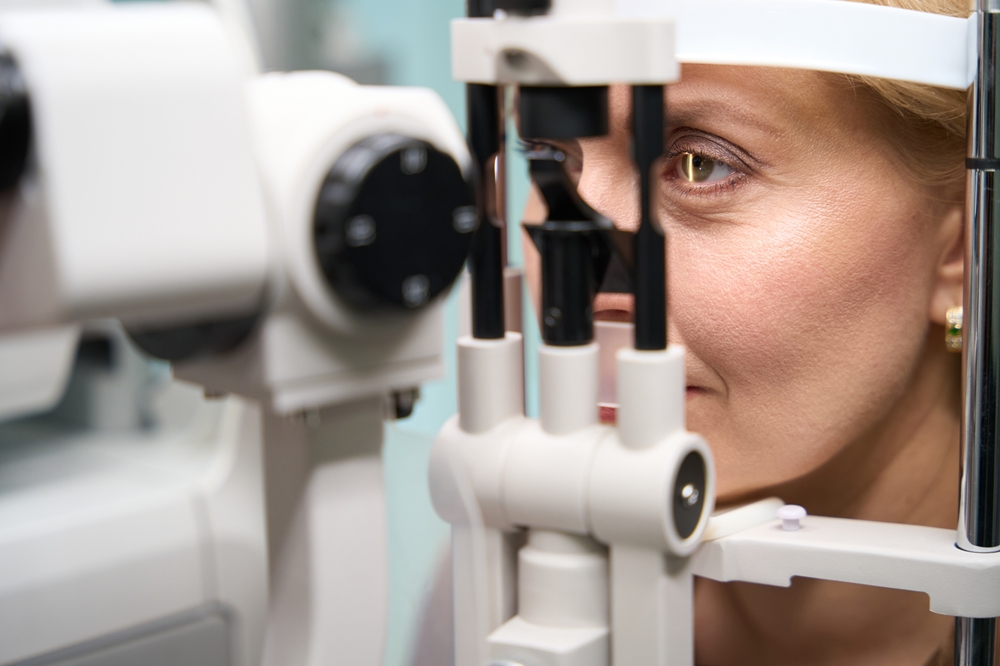
Regular eye exams do more than update your prescription — they give your eye doctor a direct look at the internal structures of your eye, including early cataract formation. Cataracts develop slowly, often without noticeable symptoms in the beginning, making them easy to miss without professional evaluation. Catching them early changes your treatment options and protects your long-term vision.
Most people do not realize their vision has declined until the change becomes significant enough to disrupt daily life. A trained optometrist or ophthalmologist can detect cloudiness in the lens before you notice any visual symptoms at all. Routine care keeps you ahead of a condition that affects millions of adults and worsens predictably without intervention.
How Do Regular Eye Exams Detect Cataracts Early?
Regular eye exams detect cataracts through a dilated eye exam, allowing the doctor to examine the lens for any cloudiness or opacity. During dilation, the pupil widens and gives the clinician a clear view of the lens structure where cataracts begin forming. Catching lens changes early means more time to monitor progression and plan treatment before vision is significantly affected.
What Cataracts Actually Do to Your Vision
Most people discover they have cataracts at a routine eye exam, not because something felt wrong. Changes happen so gradually that patients adapt without realizing how much clarity they have already lost. That slow progression is exactly what makes understanding cataracts important before symptoms take over.
Your eye has a natural lens whose job is to focus light onto the back of your eye. When that lens clouds over, light scatters instead of focusing and your vision slowly softens. Most patients describe the experience as trying to see through a permanently fogged window.
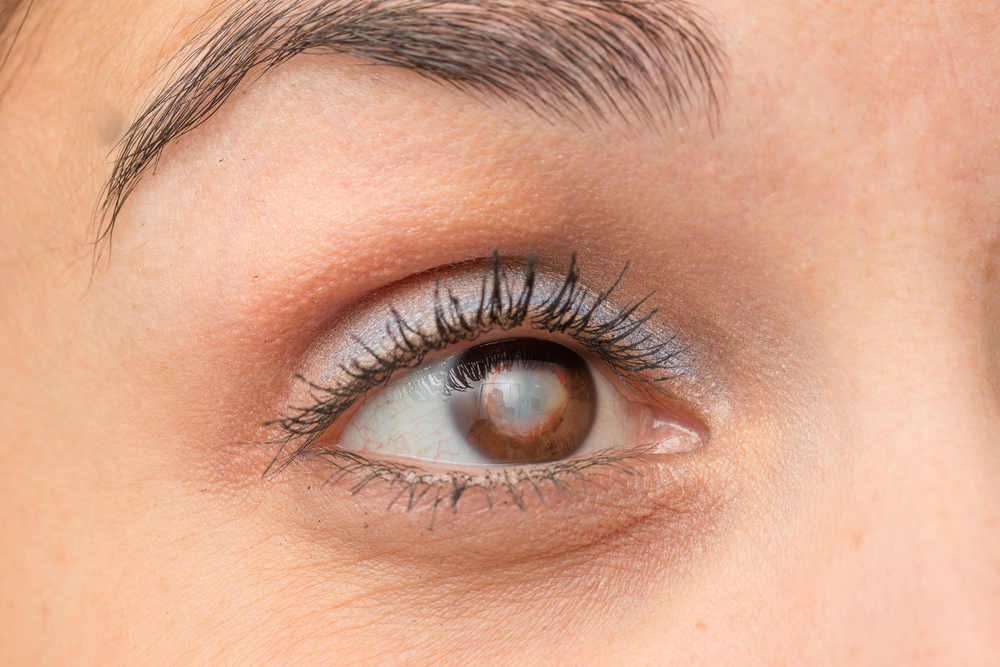
Colors start looking washed out and fine details become harder to pick out over time. Nighttime driving grows uncomfortable as headlights produce more glare and halos than you remember. None of these changes feel urgent in the moment, and that is exactly the problem.
Your brain adapts to gradual vision loss better than most people expect it to. You can lose real clarity without noticing until a doctor shows you what sharp vision looks like. Cataracts never improve on their own, so catching them early keeps your options open.
How Regular Eye Exams Detect Cataracts Early
A skilled eye doctor can spot a cataract forming before you notice any change in your vision. Regular eye exams give your doctor a direct look at your lens where early cloudiness shows up clearly. Routine visits build a record over time, making it easier to track subtle changes between appointments.
During a comprehensive exam, your doctor checks several key indicators of cataract development:
Lens clarity check - examines the lens directly for early clouding that you would never catch on your own
Dilated eye exam - eye drops widen your pupil so your doctor gets a full view of your lens and eye structures
Visual acuity test - measures how clearly you see at different distances using a standard reading chart
Glare sensitivity check - evaluates how light scattering from a developing cataract affects your comfort and clarity
Comparison to past visits - reviews previous records to identify meaningful changes in lens clarity over time
Catching a cataract early does not mean treatment is immediately necessary or that surgery is around the corner. It means you and your doctor can make informed decisions together rather than reacting when vision loss becomes hard to ignore.
Who Needs Regular Eye Exams Most
Cataracts can develop in anyone, but certain people carry a noticeably higher risk than others do. Adults over 40 are most likely to show early lens changes, even without any noticeable symptoms yet. If you fall into that age range, scheduling regular eye exams is one of the smartest moves you can make.
Diabetes has been shown to accelerate cataract development, making consistent eye care more important for people managing that condition. Long-term steroid use has also been connected to faster lens clouding in many patients.
Spending time outdoors without UV-protective eyewear raises your risk of earlier cataract formation over the years. A history of eye injuries or prior eye surgeries adds another layer of concern worth discussing with your doctor.
Certain medications affect your lens health in ways most people never think to ask about. Mentioning everything you take regularly helps your doctor determine how often you should come in.
Anyone noticing gradual shifts in color, contrast, or night vision should schedule an appointment without delay. Waiting to see whether things improve on their own is rarely the right approach with cataracts.
What to Expect During a Cataract Eye Exam
A cataract evaluation is painless, straightforward, and does not take long to get through. Your doctor runs a series of simple checks that together build a clear picture of your lens health. Knowing what the visit involves ahead of time makes the whole experience feel far less intimidating.
Here is what a typical cataract exam includes:
Visual acuity test - you read letters off a chart so your doctor can measure how clearly you are currently seeing
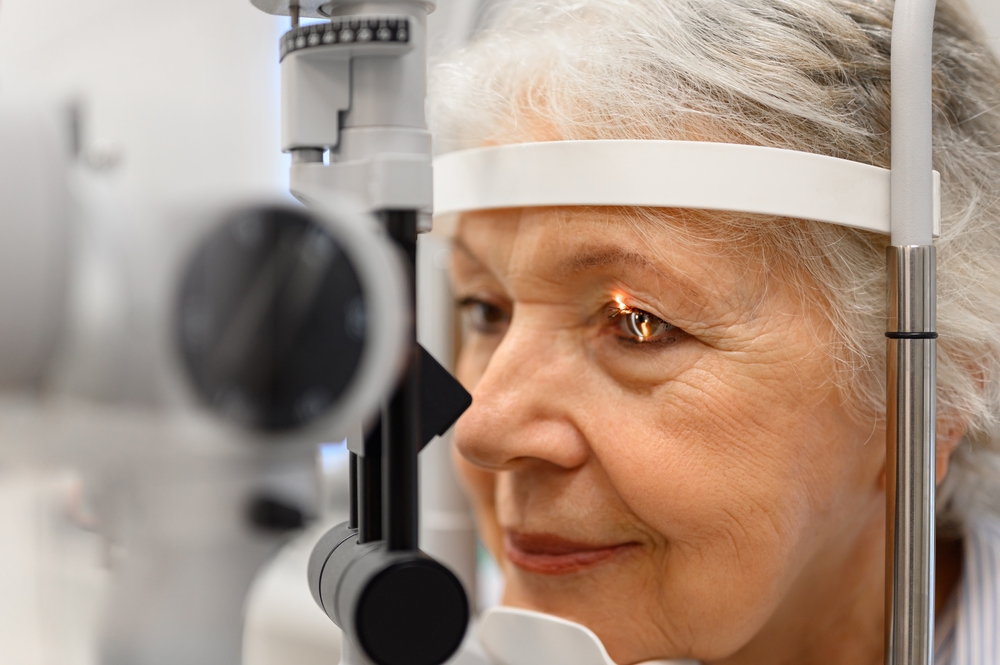
Slit-lamp examination - a specialized microscope gives your doctor a close-up view of your lens and eye structures
Dilated eye exam - eye drops widen your pupil for a complete view of the lens and the back of your eye
Glare and contrast testing - checks how well your vision holds up in bright light and low-contrast situations
Refraction assessment - determines whether a prescription update or lens changes are driving your vision issues
You will leave knowing whether cataracts are present, how advanced they are, and what your next steps look like. Regular eye exams that include this evaluation are the only reliable way to stay ahead of the problem.
Schedule Your Eye Exam Before Cataracts Get Ahead of You
Cataracts are not something you can detect on your own, but your eye doctor can catch them early. Staying current with regular eye exams means lens changes get found, tracked, and addressed before they affect your daily life. Protecting your vision long term starts with showing up for your annual checkup.
The Optical Shop in Phenix City serves patients across Russell County with thorough eye exams designed to catch cataracts before they advance. Our team uses modern equipment and walks you through findings in clear, straightforward language. Book your appointment today and take the first step toward keeping your vision sharp.

