

What to Expect at Your Next Eye Care Appointment
You might feel unsure about what actually happens during a routine visit, especially if it has been a while. An appointment involves more than reading letters on a chart or updating a prescription. Knowing the general flow helps you arrive prepared, relaxed, and confident.
You also benefit when expectations match reality instead of assumptions from past visits or secondhand stories. Modern care focuses on comfort, communication, and understanding how your eyes function day to day. Clear expectations make the experience smoother and more productive.
How An Eye Care Appointment Typically Works
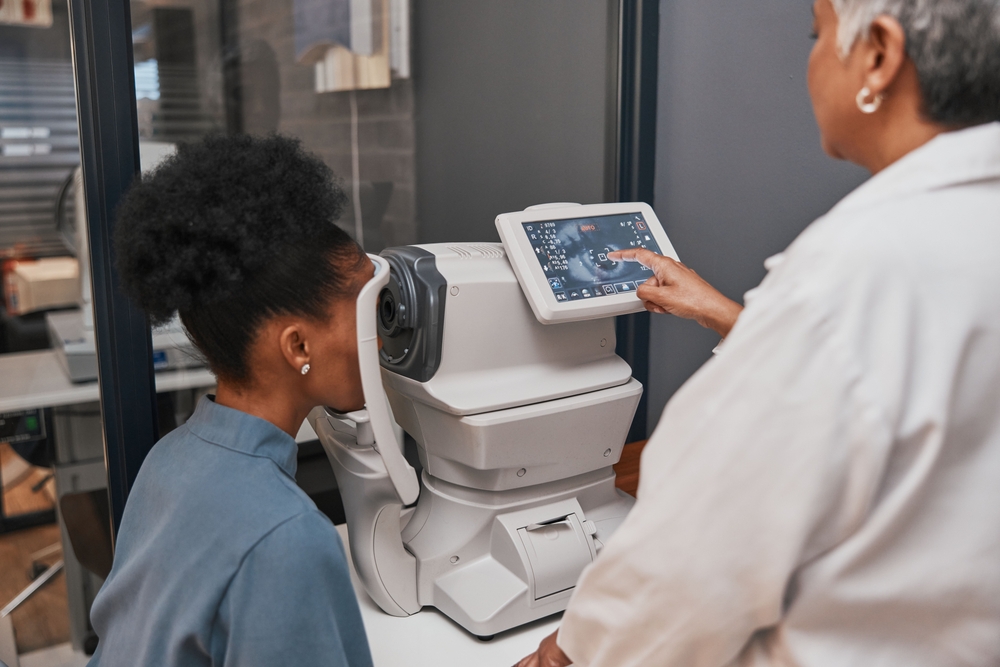
An eye care appointment evaluates your vision, eye health, and daily visual needs through guided testing and professional assessment. The visit includes vision testing, eye health checks, and discussion about symptoms or lifestyle factors. Results help determine whether updates or recommendations support clearer, more comfortable vision.
Why Preparation Helps You Get More From Your Visit
You get better results when you arrive knowing what information helps guide the evaluation. Sharing symptoms, visual habits, and recent changes gives context beyond test results. Preparation allows the provider to focus on what matters most to you.

You may want to bring current glasses, contact lenses, or previous prescriptions to the visit. Those details help compare changes and confirm accuracy over time. Simple preparation saves time and reduces guesswork.
Scheduling questions ahead of time also improves communication during the visit. Clear goals help shape the conversation efficiently. An eye care appointment feels more valuable when discussion feels focused and relevant.
What Vision Testing Looks Like During The Exam
Vision testing measures how clearly your eyes see at different distances and under varying conditions. Tests adjust lenses incrementally to find the most comfortable and accurate correction. Feedback helps fine-tune results based on real perception.
You may notice changes feel subtle rather than dramatic during testing. Small refinements often improve comfort more than sharpness alone. Clear communication during testing supports better outcomes.
Testing also evaluates how well both eyes work together during focus and movement. Coordination matters for reading, screens, and driving. An eye care appointment looks beyond clarity to overall visual function.
How Eye Health Checks Fit Into A Routine Visit
You may not realize how much information providers gather about eye health during a standard evaluation. An eye care appointment includes checks that look beyond vision clarity to assess internal structures and surface health. Those assessments help identify changes early, often before symptoms become noticeable.
Health checks typically involve examining the cornea, lens, retina, and optic nerve using specialized instruments. Each step helps build a complete picture of how your eyes function together. Clear explanations keep the process comfortable and easy to follow.
Providers also use these findings to track changes over time rather than reacting to isolated results. Patterns matter more than single readings during ongoing care. An eye care appointment supports preventive attention, not just problem-solving.
Internal eye examinations allow providers to evaluate retinal health and optic nerve appearance with precision. Early detection helps guide timely recommendations when subtle changes appear.
Eye pressure testing measures factors related to long term eye health and comfort. Results add context rather than serving as standalone conclusions.
Surface evaluations assess dryness, irritation, and tear quality that affect daily comfort. Findings often explain burning or fluctuating vision.
Pupil responses help evaluate how eyes react to light and focus changes. Those reactions provide insight into visual processing.
Health discussions connect findings with symptoms or lifestyle factors you share. Collaboration improves understanding and next steps.
Clear explanations help you understand what results mean instead of feeling overwhelmed by technical language. Transparency builds confidence throughout the visit. An eye care appointment feels more valuable when health checks make sense.
Why Communication Matters During Your Exam
You get more accurate results when you actively share how your eyes feel during daily routines. Symptoms like strain, headaches, or dryness provide important context during testing. An eye care appointment works best as a two way conversation.
Open communication helps providers tailor testing and eyewear frame recommendations and prescriptions to your needs. Describing screen habits, work conditions, and hobbies shapes practical guidance. Specific details often clarify subtle issues.
Questions also improve comfort by removing uncertainty about unfamiliar steps. Understanding what happens next reduces tension during the visit. An eye care appointment becomes collaborative rather than clinical.
How Eyewear And Contact Lens Discussions Typically Happen
You can expect time to discuss glasses, contact lenses, or updates based on your results. An eye care appointment reviews how the current correction performs in real-life situations. Comfort, clarity, and convenience guide those conversations.
Providers review how your current glasses or contacts perform during work, reading, and screen use. That feedback shapes recommendations.
Frame fit discussions focus on comfort, stability, and how eyewear sits during movement. Proper fit supports a consistent vision.
Lens options address glare, screen comfort, and daily visual demands. Choices match lifestyle rather than trends.
Contact lens evaluations assess fit, movement, and comfort during wear. Safety and ease of use guide adjustments.
Follow-up recommendations outline when to return or monitor changes. Planning supports ongoing visual health.
Clear discussion helps you feel confident about choices instead of rushed into decisions. Guidance feels practical when tied to your routine. An eye care appointment ends with clarity about next steps.
How Your Eye Care Appointment Wraps Up With Clear Next Steps
You leave your visit with a clearer understanding of your vision, eye health, and any recommended changes. Providers summarize results in plain language so you know exactly what matters moving forward. That clarity helps you feel confident instead of uncertain after testing ends.

Next steps may include updated prescriptions, monitoring plans, or simple habit adjustments for comfort. Recommendations focus on what supports your daily routine rather than unnecessary changes. An eye care appointment should always feel informative, not overwhelming.
Planning ahead also makes future visits easier and more predictable. Knowing when to return removes guesswork and stress later. Clear direction turns routine care into a manageable, ongoing process.
When Routine Eye Care Appointments Make A Real Difference
Regular visits help you catch changes early, even when vision still feels mostly stable. Small shifts often go unnoticed without professional comparison over time. Consistency supports both comfort and long-term eye health.
Eye health screening also adapts to your lifestyle, work demands, or screen habits as they change. Care evolves with you instead of staying static. An eye care appointment remains relevant when it reflects real daily use.
Preventive care reduces surprises and urgent issues later. You gain peace of mind knowing someone monitors changes professionally. Routine visits support confidence in your vision year after year.
Schedule Your Next Visit With Confidence
Knowing what to expect helps you approach your next visit feeling prepared instead of uncertain. Clear communication and routine care support comfortable, reliable vision through every stage of life. Confidence grows when eye care feels straightforward and supportive.
If you are ready to schedule your next eye care appointment, The Optical Shop offers attentive, personalized care focused on comfort and clarity. Their team takes time to explain results and guide decisions without pressure. Contact The Optical Shop today to book your visit and keep your vision on track.

