

Why Eye Exams Matter More Than You Think
Regular vision care plays a bigger role in your daily comfort, productivity, and long-term health than many people realize. Small visual changes often develop quietly, affecting focus, safety, and screen comfort before obvious symptoms appear. Understanding how eye care fits into overall wellness helps you make smarter decisions for yourself and your family.
Many people delay appointments because eyesight feels stable or daily tasks still feel manageable. Vision stability does not guarantee eye health, especially as age, screens, and medical factors influence ocular changes. Learning why proactive care matters helps you stay ahead of preventable problems.
How Eye Exams Protect Vision And Overall Eye Health
Eye exams evaluate visual clarity, eye coordination, and internal eye health during one comprehensive visit. Exams detect refractive errors, eye diseases, and systemic health indicators that may not show symptoms early. Routine monitoring through eye exams supports early intervention, clearer vision, and long-term eye stability.
Why Eye Exams Detect Problems Before Symptoms Appear
Many eye conditions progress slowly without causing discomfort or noticeable vision changes during early stages. Routine visits allow providers to monitor subtle shifts that signal developing concerns needing timely attention. Early awareness reduces the likelihood of vision loss and complicated treatments later.

Eye health assessments look beyond eyesight to examine blood vessels, nerves, and internal eye structures. Changes in these areas sometimes reflect broader health issues requiring coordination with primary care providers. Regular evaluations help connect visual findings with overall wellness patterns.
Consistent scheduling creates a baseline record that improves accuracy during future comparisons. Providers use previous results to identify gradual changes that might otherwise go unnoticed. Preventive care through eye exams offers reassurance and clarity about your current visual health status.
How Eye Exams Support Clear Vision At Every Life Stage
Vision needs evolve from childhood through adulthood due to growth, work habits, and aging changes. Routine appointments ensure eyewear prescriptions remain accurate as focusing ability and eye coordination shift naturally. Proper correction supports learning, productivity, and daily comfort across life stages.
Adults often experience visual strain from prolonged digital device use and demanding work environments. Exams evaluate eye fatigue, dryness, and focusing issues linked to extended screen exposure. Personalized recommendations help maintain comfort without disrupting daily routines.
As people age, risks for specific eye conditions increase and require closer monitoring. Regular visits help track changes associated with aging and adjust care plans accordingly. Eye exams provide consistency and peace of mind as visual needs become more complex.
What Happens During A Comprehensive Eye Exam Visit
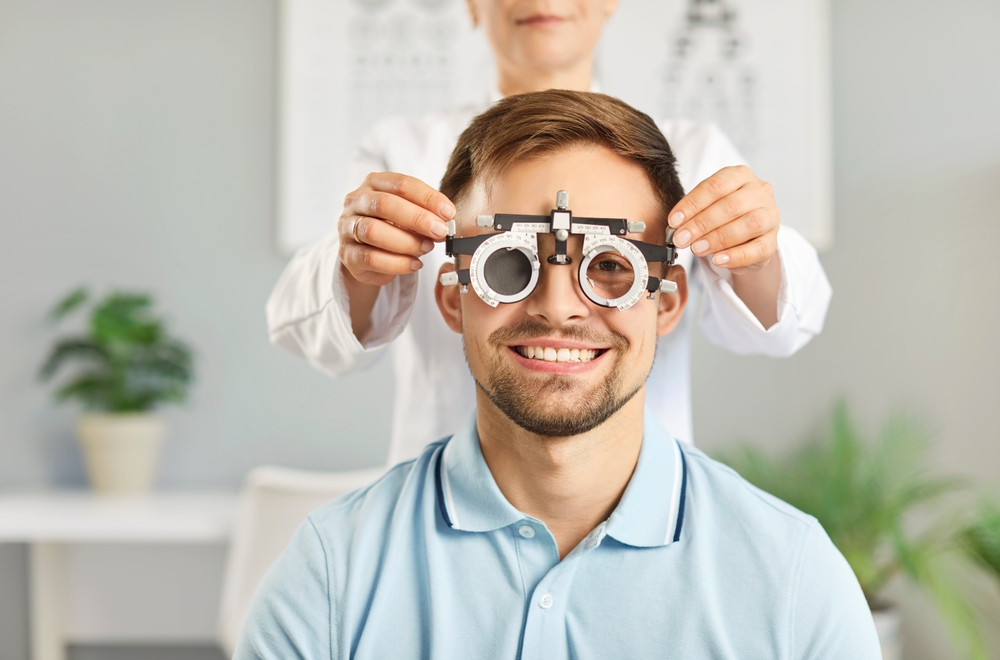
A comprehensive visit follows a clear, patient focused structure designed to evaluate vision accuracy, comfort, and overall eye health. During eye exams, providers combine diagnostic measurements with direct clinical evaluation to build a complete understanding of visual performance. As a result, patients gain clarity about both immediate vision needs and long term eye health considerations.
Pretesting collects baseline measurements such as focus, eye pressure, and alignment using modern diagnostic tools. Those results guide the optometrist through targeted evaluation during the clinical portion of the visit.
Visual acuity testing refines prescription strength for distance, near, and intermediate viewing demands. Accurate adjustments improve comfort while reading, driving, and working on digital screens.
Internal eye health evaluations examine the retina, optic nerve, and blood vessels for early structural changes. Those findings often appear long before noticeable vision symptoms develop.
Eye coordination and focusing assessments measure how effectively both eyes work together throughout daily activities. Results help explain headaches, eye fatigue, or difficulty sustaining focus.
Final reviews explain results clearly and outline next steps based on lifestyle and visual demands. Patients leave understanding how recommendations support ongoing comfort and clarity.
How Eye Exams Help Monitor Changes In Vision Over Time
Vision changes gradually as age, work habits, and environmental demands influence how eyes perform daily tasks. Eye exams provide a reliable reference point that enables providers to accurately track subtle shifts over time. That historical comparison improves precision and supports proactive adjustments.
Small prescription changes often go unnoticed until they begin to affect productivity or comfort. Regular monitoring enables updates before frustration or issues disrupt routines. Consistent care helps maintain stable vision without sudden changes in correction.
Health-related factors may also influence visual stability without obvious warning signs. Ongoing evaluation highlights trends requiring closer attention or lifestyle adjustments. Eye exams provide continuity that supports long-term visual confidence.
Why Eye Exams Are Essential For Detecting Eye Health Issues
Many eye health conditions develop quietly without causing pain or noticeable vision disruption during daily activities. Eye exams allow providers to evaluate internal structures and identify changes before permanent damage affects vision quality. Early awareness gives patients more options and better long-term outcomes.
Internal examinations reveal changes in the retina, optic nerve, and blood vessels that cannot be detected without professional evaluation. Those findings often appear years before vision loss or discomfort becomes noticeable.
Eye pressure testing helps identify risks related to optic nerve damage and long-term visual impairment. Consistent monitoring allows providers to respond before irreversible harm occurs.
Retinal evaluations can uncover indicators connected to broader health concerns, such as circulation or metabolic changes. Early detection supports timely referrals and coordinated care when appropriate.
Baseline comparisons highlight gradual shifts that signal developing conditions rather than sudden problems. Regular eye exams improve detection accuracy by tracking changes over time.
Preventive screenings reduce reliance on symptom-driven appointments that often occur too late. Proactive scheduling protects visual stability and long-term eye health.
A closing review helps patients understand how early detection directly supports vision preservation and daily comfort. Clear explanations reduce uncertainty and reinforce the value of routine care decisions. Eye exams function as preventive health tools rather than reactive responses to vision loss.
How Eye Exams Guide Better Eyewear And Lens Decisions
Choosing eyewear feels simpler when clinical insight supports everyday needs and visual habits. Eye exams evaluate prescription accuracy, focusing ability, and comfort requirements before discussing corrective options. That foundation helps match eyewear solutions to real-world use.

Lifestyle factors such as work distance, screen exposure, and outdoor activity influence lens performance. Providers use exam results to recommend materials, coatings, and designs that support clarity throughout the day. Thoughtful guidance prevents overcorrection or unnecessary features.
Proper fit and lens alignment also affect visual comfort and long-term satisfaction. Measurements taken during eye exams support accurate placement and balanced vision. Better alignment reduces strain and improves consistency across different environments.
When Eye Exams Help Maintain Comfort And Visual Confidence
Comfort depends on more than clarity, especially when eyes work hard throughout the day. Eye exams assess dryness, focusing fatigue, and coordination issues affecting sustained comfort. Addressing those factors supports easier vision during work and leisure.
Subtle symptoms often feel normal until they disrupt productivity or enjoyment. Routine evaluations help identify patterns linked to screen use, lighting, or prescription changes. Early adjustments improve comfort without major lifestyle disruption.
Confidence grows when vision feels dependable and predictable. Consistent care helps prevent unexpected issues or sudden prescription surprises. Eye exams provide reassurance that vision supports daily demands.
Take The Next Step Toward Healthier Vision
Taking vision care seriously supports daily comfort, confidence, and independence as visual demands change with work, age, and lifestyle. Routine attention helps you stay ahead of subtle shifts that often go unnoticed until frustration sets in. Proactive scheduling turns eye care into a steady habit rather than a reaction to problems.
If clear, comfortable vision matters to you, scheduling regular eye exams is a practical next step. The Optical Shop provides personalized care, clear guidance, and dependable support tailored to real everyday vision needs. Contact The Optical Shop today to schedule your next appointment and take control of your long-term eye health.

