


Nystagmus Awareness Day: Breaking Down a Misunderstood Condition
Nystagmus Awareness Day on June 20th shines a light on a condition that affects far more people than most realize. Nystagmus causes involuntary, repetitive eye movements that the person experiencing them cannot control or stop on their own. For the people living with it and the families supporting them, awareness is not a formality — it is a foundation for better care and understanding.
Most people encounter nystagmus for the first time when someone close to them receives a diagnosis. The condition is widely misunderstood, often mistaken for a nervous habit or a sign of anxiety rather than a genuine neurological or visual condition. Nystagmus Awareness Day exists to change that, one informed conversation at a time.
What Is Nystagmus and Why Is It So Misunderstood?
Nystagmus is an involuntary eye movement condition that interferes with the eye's ability to maintain steady focus on a target. Many people mistake the visible eye movements for a behavioral habit, which leads to misdiagnosis and delayed support for patients who need proper clinical attention. Greater awareness of what nystagmus actually is helps patients get diagnosed earlier and treated more appropriately.
What Makes Nystagmus So Difficult to Recognize and Diagnose
Nystagmus does not look the same from one person to the next, and that variability causes real problems. Some people experience rapid side-to-side movements, while others have slower, rotary patterns that are far less obvious. Without a trained eye, the signs are easy to dismiss or attribute to something else entirely.
Many people with nystagmus grow up hearing that they are nervous, distracted, or simply not paying enough attention. Teachers, coaches, and even some healthcare providers mistake the involuntary movements for behavioral issues rather than a clinical condition. That pattern of misidentification delays proper diagnosis and leaves patients without the support they genuinely need.
The diagnostic process gets more complicated because nystagmus often coexists with other conditions at the same time. Albinism, congenital cataracts, and neurological disorders all carry an elevated risk, but nystagmus does not always get addressed alongside them. A comprehensive eye exam is often the first step toward finally getting an accurate picture of what is happening.
Nystagmus Awareness Day plays a direct role in closing that diagnostic gap by putting the condition in front of new audiences. The more familiar people become with what nystagmus looks like, the faster patients get the attention they deserve.
How Nystagmus Affects Daily Life in Ways Others Cannot Always See
The challenges nystagmus creates are not always visible to the people around the patient, which makes it isolating. Reading, focusing on moving objects, and maintaining eye contact all demand significantly more effort than most people would expect. That extra effort accumulates throughout the day and leaves many patients genuinely exhausted in ways that are hard to explain.
Children with nystagmus often struggle in classrooms where visual demands are high and accommodations are not automatically offered. Copying from a board, tracking text across a page, and keeping up with timed visual tasks all present real barriers. Without awareness from the adults around them, many children internalize those struggles as personal shortcomings rather than symptoms of a medical condition.
Adults face an equally real set of challenges in professional and social environments every single day. Driving restrictions, difficulty reading standard print, and the social discomfort of visible eye movements affect career opportunities and relationships.
Nystagmus is not something people can push through with more effort or sharper focus on their own. Understanding that reality is the starting point for offering support that actually makes a difference.
How Eye Care Providers Support Patients With Nystagmus
Not every eye care provider has deep experience with nystagmus, which is why finding the right clinical team matters so much. A provider who understands the condition looks beyond standard vision correction to address the specific challenges nystagmus creates daily. That level of focused attention shapes the quality of care in ways patients feel throughout their everyday lives.
Prescription lenses are one of the most immediate tools an eye care provider can offer a nystagmus patient. Carefully fitted glasses or contacts do not stop the eye movements, but they help patients make the most of their usable vision. For some patients, prism lenses shift the visual field in a way that reduces the physical strain of finding their null point.
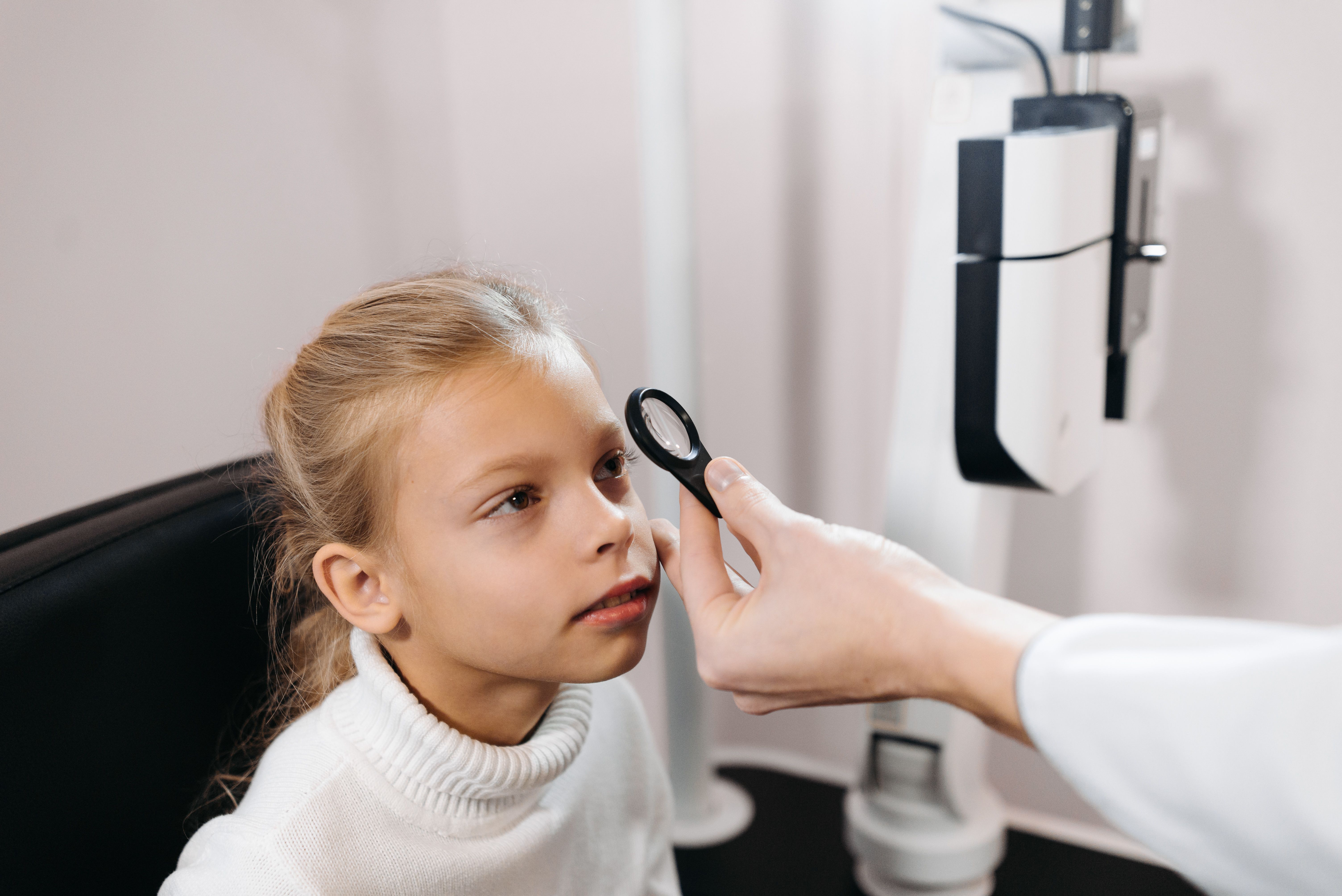
Low vision support is another important area where eye care providers add real value for patients with significant visual impairment. Magnification tools, screen readers, and referrals to occupational therapists all fall within the scope of a well-rounded care plan. The goal is building a practical, personalized strategy that works around the condition rather than ignoring it.
Regular monitoring through eye exams and vision testing matters because nystagmus can change over time in ways that affect how a patient sees and functions. Staying in close contact with your eye care team ensures your support evolves alongside your changing needs.
Nystagmus Awareness Day: How You Can Show Up for Someone You Love
Nystagmus Awareness Day is an opportunity to move beyond sympathy and offer support that actually helps someone. People living with nystagmus do not always find it easy to ask for what they need from the people around them. Showing up with genuine curiosity and a willingness to learn is one of the most meaningful things you can do.
1. Learn How the Condition Actually Works
Taking time to understand nystagmus gives you a much stronger foundation for offering real, practical support. The more informed you are, the less likely you are to make assumptions about what the person can do. Knowledge replaces pity with respect, and that shift matters enormously to people living with this condition every day.
2. Ask What Support Looks Like for Them Specifically
Nystagmus presents differently in every person, so what helps one patient may not help another person at all. Asking directly and listening carefully is far more useful than guessing based on what you have read online. Let the person define their own needs rather than projecting limitations onto them without their input.
3. Advocate for Accommodations at School or Work
Many people with nystagmus qualify for accommodations that make a genuine difference in academic and professional settings. Helping someone request larger text, extended time, or preferred seating is a practical and powerful form of support. Advocacy works best when it is driven by the person's own goals and preferences rather than outside assumptions.
4. Reduce Stigma in Your Everyday Conversations
Nystagmus is still largely unfamiliar to most people, which means patients often encounter uncomfortable stares and uninformed comments. Correcting misconceptions when you hear them and normalizing the condition in everyday conversation helps shift the broader culture. Small moments of education in daily life add up to a more inclusive environment over time.
5. Connect Them With the Right Resources and Community
Organizations dedicated to nystagmus awareness offer support groups, research updates, and practical guidance for patients and families. Helping someone find their community reduces the isolation that often comes with living with a widely misunderstood condition. Knowing others share the same experience is a powerful and lasting source of strength and encouragement.
Nystagmus Awareness Day Is a Chance to Make Understanding Count
Nystagmus Awareness Day is a reminder that people living with this condition deserve more than passing recognition once a year. Patients and families who feel seen, informed, and supported are far better equipped to face what nystagmus brings each day. Awareness becomes meaningful when it translates into real empathy, real action, and real change in the people closest to them.
The Optical Shop in Phenix City serves patients across Russell County with eye care designed around the needs of people living with nystagmus. Our team takes the time to understand each patient's situation and works with families to build a care plan that fits their life. Schedule an appointment at The Optical Shop and let us help you find the right support and solutions today.

