

Living With Nystagmus: What Patients and Families Should Know
Nystagmus Awareness Day falls on June 20th, and for millions of people living with this condition, awareness is not just symbolic. Nystagmus causes involuntary, repetitive eye movements that affect how the brain processes visual information. Understanding what it is, how it works, and what support looks like makes a real difference for patients and the families walking alongside them.
Most people have never heard of nystagmus until someone they love is diagnosed with it. The condition affects both children and adults, shows up in different forms, and carries a range of challenges that vary widely from one person to the next. Knowing what to expect and where to turn is the first step toward managing it with confidence.
What Is Nystagmus and How Does It Affect Vision?
Nystagmus is a condition characterized by involuntary, rhythmic eye movements that the person cannot control or stop. These movements interfere with the eye's ability to hold a steady focus, making tasks like reading, driving, and recognizing faces more difficult. The severity varies widely, and many people with nystagmus develop strategies over time that help them function well in daily life.
What Causes Nystagmus
Nystagmus develops when the part of the brain responsible for controlling eye movement does not function the way it should. In many cases the condition is present from birth, linked to genetic factors or abnormal development of the visual pathways during pregnancy. Understanding what drives nystagmus helps patients and families make sense of a diagnosis that can feel overwhelming at first.
Acquired nystagmus develops later in life and is usually triggered by an underlying condition or external factor. Neurological conditions like multiple sclerosis, stroke, and brain tumors are among the most common causes in adults. Certain medications, inner ear disorders, and head injuries can also bring on nystagmus in people who had no prior history of it.
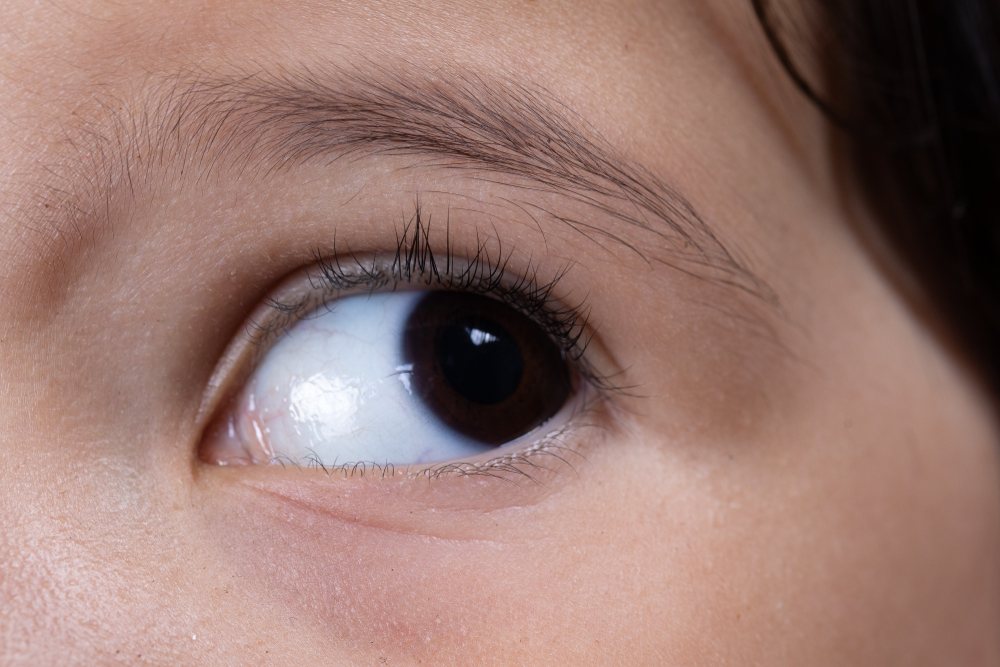
Infantile nystagmus is the most common form and typically appears within the first few months of life. It is often associated with conditions like albinism, congenital cataracts, and underdeveloped optic nerves. In some cases no underlying cause is identified, and the nystagmus is classified as idiopathic.
Who Is Most Affected by Nystagmus
Nystagmus affects an estimated one in every thousand people, making it more common than most people realize. It can appear at any age, though infantile nystagmus and acquired nystagmus in older adults represent the two largest groups. No single demographic is immune, and the condition crosses all backgrounds, ethnicities, and age ranges.
Children with albinism, congenital cataracts, or other visual pathway conditions carry a significantly higher risk of developing nystagmus early in life. Early diagnosis in children is especially important because timely intervention can support visual development during critical growth windows. Parents who notice unusual eye movements in an infant or toddler should bring it to their eye doctor's attention without delay.
Adults who develop nystagmus later in life are often dealing with an underlying neurological or vestibular condition that needs its own attention. People with a family history of nystagmus also carry a higher genetic risk worth discussing with both an eye care provider and a specialist. Awareness of risk factors puts families in a better position to recognize early signs and seek the right support quickly.
How Nystagmus Affects Daily Life for Patients and Families
Living with nystagmus means navigating a world that was not designed with involuntary eye movement in mind. Reading, watching screens, and maintaining eye contact in conversation all require more effort than most people without the condition would ever notice. For many patients, fatigue sets in faster simply because their visual system is working harder to compensate throughout the day.
Children with nystagmus often face challenges in the classroom that go unrecognized without proper awareness from teachers and school staff. Difficulty reading from a board, keeping up with fast-moving visual content, and needing to tilt or turn their head to find a null point can all affect academic performance. Early communication between families, educators, and eye care providers makes a meaningful difference in how well a child navigates school.
For adults, nystagmus can affect employment, driving eligibility, and social confidence in ways that are not always visible to others. Many people develop strong coping strategies over time and lead full, active lives with the right support in place. The impact varies widely depending on severity, and no two patients experience nystagmus in exactly the same way.
Families play a critical role in helping patients build confidence and advocate for the accommodations they need. Having open, informed conversations about the condition reduces stigma and helps everyone involved feel less isolated.
How Eye Care Supports People Living With Nystagmus
A knowledgeable eye care team is one of the most valuable resources available to someone living with nystagmus. Regular eye exams allow doctors to monitor the condition, track any changes in severity, and adjust vision correction as needed over time. The right clinical support does not eliminate nystagmus, but it can meaningfully improve how well a patient sees and functions.

Eye care providers support nystagmus patients in several important ways:
Prescription optimization - carefully fitted lenses help maximize the usable vision a patient has despite involuntary eye movement
Prism lenses - specialized lenses that shift the visual field to help patients use their null point more comfortably
Low vision aids - tools like magnifiers and screen readers that support patients whose nystagmus significantly limits visual acuity
Contact lens fitting - contacts move with the eye and can offer clearer vision for some nystagmus patients compared to glasses
Referral and coordination - connecting patients with neurologists, occupational therapists, and support organizations when broader care is needed
Finding an eye care provider who understands nystagmus and takes the time to explain options clearly makes a genuine difference in patient outcomes. Ongoing communication between the patient, their family, and the clinical team keeps care aligned with how the condition evolves over time.
Supporting a Loved One With Nystagmus Starts With Showing Up
Nystagmus Awareness Day is a reminder that understanding a condition is one of the kindest things you can offer someone living with it. Patients and families who feel informed, supported, and connected are far better equipped to navigate the challenges nystagmus brings. Awareness without action means very little, but awareness that leads to empathy and advocacy changes lives.
The Optical Shop in Phenix City serves patients across Russell County with comprehensive eye care that includes support for conditions like nystagmus. Our team takes the time to understand each patient's unique visual needs and works with families to find solutions that make daily life easier. If someone you love is living with nystagmus, schedule an appointment at The Optical Shop and let us help you find the right path forward.

