

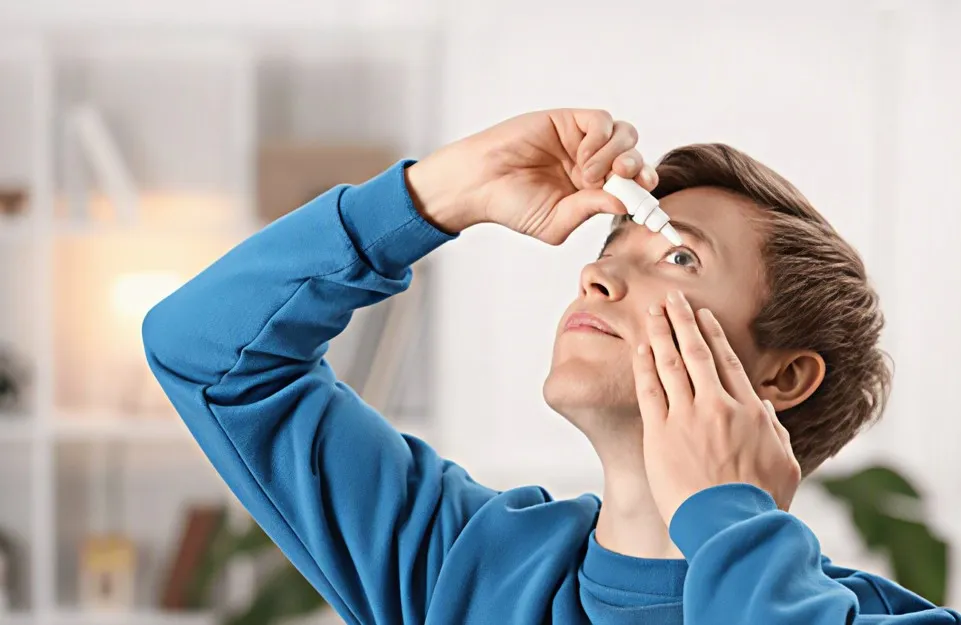
Dry Eyes: Common Causes and Treatment Options That Actually Work
That gritty, burning feeling by midafternoon isn't just an annoyance you have to live with. Dry eyes affect people of every age, and the causes range from something as simple as too much screen time to underlying conditions that need a provider's attention. Understanding what's actually causing the dryness makes it much easier to find a treatment that works.
Too many people reach for the same bottle of drops for months without any real improvement, mostly because the drops address the symptom rather than the cause. A closer look at what's driving your specific dryness changes that.
What Causes Dry Eyes in the First Place?
Dry eyes happen when your eyes don't produce enough quality tears, or when tears evaporate too quickly to keep the surface properly lubricated. Aging, certain medications, hormonal changes, and environmental factors like wind or dry indoor air all play a role in reducing tear quality or quantity over time.
Vision testing during a routine exam often reveals dry eye symptoms that patients didn't realize were connected to their vision complaints, since blurriness and eye strain frequently trace back to an unstable tear film rather than a prescription change.
How Screen Time Contributes to Dry, Tired Eyes
Staring at a screen changes how often you blink, and blinking is what spreads a fresh layer of tears across your eyes throughout the day. Most people blink significantly less while focused on a monitor or phone, which allows the tear film to evaporate faster than it gets replenished.

The difference between blue light and UV exposure matters here too, since screens combine close-range viewing with reduced blinking in a way that compounds dryness over a long workday. Breaks that involve deliberately blinking a few times or looking away from the screen give your eyes a chance to reset before symptoms build up.
Common Symptoms of Dry Eye
Dry eye shows up differently from person to person, and the symptoms don't always match what you'd expect from the name:
A gritty, sandy feeling as though something is stuck in your eye
Redness or a burning sensation that worsens throughout the day
Excessive watering, which can actually be a response to underlying dryness
Blurry vision that improves temporarily after blinking
Sensitivity to light, wind, or air conditioning
Watery eyes catch people off guard the most, since it seems like the opposite of dryness. In reality, it's often your eyes overcompensating for a tear film that isn't doing its job well enough on its own.
Treatment Options That Actually Address the Cause
Effective treatment depends on what's driving your specific symptoms rather than a one-size-fits-all approach. Preservative-free artificial tears work well for mild, occasional dryness, while warm compresses help when blocked oil glands are contributing to poor tear quality.
For dryness tied to screen use, lens coatings designed for comfort can reduce glare and eye strain that often accompany dry eye symptoms during long workdays. In more persistent cases, a provider may recommend prescription drops or in-office treatments that address the underlying tear production issue directly rather than just adding moisture temporarily.

Why an Accurate Prescription Matters for Eye Comfort
An outdated or slightly inaccurate prescription forces your eyes to work harder to focus, and that extra strain can worsen dryness symptoms that already exist. Accurate measurements during your exam help make sure your lenses aren't adding unnecessary strain on top of an existing dry eye issue.
Poor lens fit contributes to discomfort in ways that are easy to mistake for dry eye alone, since squinting or repositioning glasses throughout the day can dry out the eyes just as much as reduced blinking does.
Find Relief from Dry Eye Symptoms
Dry eyes rarely resolve on their own once symptoms become a daily occurrence, and guessing at a treatment often means months of frustration without real improvement. Identifying the actual cause is the fastest path to relief that lasts.
The Optical Shop helps Phenix City patients get to the root of their dry eye symptoms instead of just masking them. Our team looks at your prescription, lens fit, and daily habits to recommend treatment that actually addresses what's causing the problem. Contact us today to schedule an exam and talk through your options.

