


Contacts and Astigmatism: Your Options at The Optical Shop in Phenix City
Astigmatism used to mean glasses were often the only reliable option for clear vision, but that hasn't been true for years. Modern contact lens designs correct astigmatism just as effectively as standard prescriptions correct nearsightedness or farsightedness, which means most patients have more flexibility than they realize.
Understanding how these lenses work, and which option fits your specific prescription, makes the decision between contacts and glasses a lot less complicated.
What Is Astigmatism and Why Does It Complicate Contact Lens Fitting?
Astigmatism occurs when the cornea or lens inside the eye has an irregular curve rather than a perfectly round shape, which causes light to focus unevenly on the retina. That uneven focus creates blur or distortion at multiple distances, unlike simple nearsightedness or farsightedness, which typically affects one distance more than another.
Standard contact lenses correct light evenly across the entire surface, which doesn't address the specific irregular curve astigmatism creates. This is why patients with astigmatism need a specialized lens design rather than a standard spherical contact.
How Toric Lenses Correct Astigmatism
Toric lenses are specifically designed to correct astigmatism by varying the lens power across different areas of the lens rather than applying one uniform correction. The lens also includes a stabilizing design that keeps it properly oriented on the eye, since a toric lens rotated even slightly out of position won't correct vision the way it's meant to.
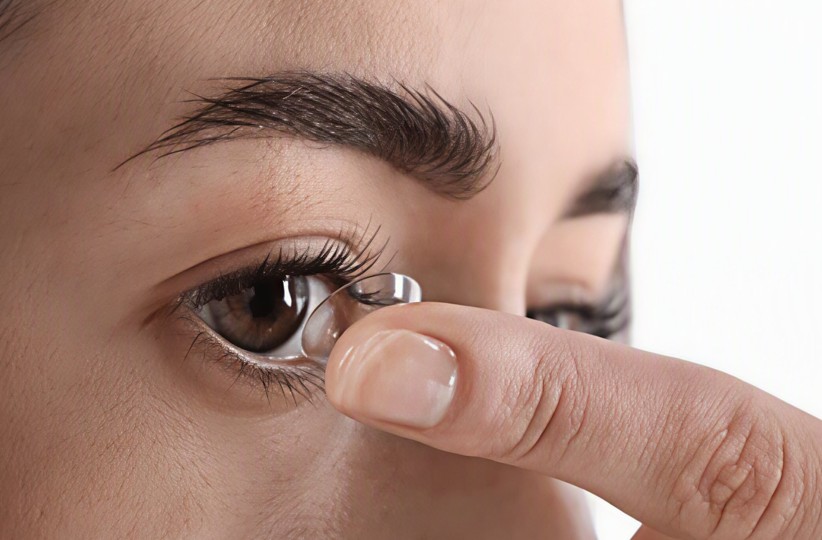
Fitting toric lenses correctly takes more precision than a standard contact lens fitting, since both the prescription and the lens orientation need to be accurate for clear, stable vision. A skilled fitting appointment accounts for both factors from the start.
Signs Your Contact Lenses May Not Be Correcting Your Astigmatism Well
A few patterns tend to show up when a current contact lens prescription isn't addressing astigmatism as well as it should:
Vision that seems to shift or blur slightly when you blink or move your eyes
Difficulty seeing clearly at night, especially around headlights or streetlights
Lenses that feel like they rotate or shift position throughout the day
Vision that's clear right after inserting lenses but gradually blurs later in the day
Needing to squint periodically to bring things into focus, even with lenses in
Any of these on their own might not mean much, but a pattern of two or more is worth mentioning at your next fitting appointment.
Are Contacts or Glasses Better for Astigmatism?
Neither option is inherently better, and the right choice often depends on lifestyle as much as prescription strength. The best eyewear options for active adults tend to favor contacts, since toric lenses eliminate frame movement entirely during sports, workouts, or physically demanding days.
For patients who prefer glasses, or who want a backup option for days when contacts aren't comfortable, durable frame options built for active use offer similar reliability without requiring daily lens insertion and removal. Many patients end up using both, depending on the day and the activity.

What to Expect at Your Astigmatism Contact Lens Fitting
A fitting appointment for toric lenses typically takes a bit longer than a standard contact lens fitting, since your provider needs to measure the specific axis and degree of your astigmatism in addition to your general prescription. Trial lenses are common during this process, giving you a chance to test how a specific brand and design feels before committing to a full supply.
Astigmatism correction can also shift gradually over time, similar to other vision changes that become more common with age, which is part of why an annual check-in matters even if your current lenses still feel fine.
Find the Right Contact Lens Option for Your Astigmatism
Astigmatism doesn't have to limit you to glasses alone, and modern toric lens designs give most patients a genuinely comfortable, stable option for daily wear. The right fit comes down to an accurate prescription and a fitting process that accounts for the specific way your eyes focus light.
The Optical Shop helps Phenix City patients find contact lens options built specifically for their astigmatism, with fittings that account for both prescription accuracy and daily comfort. Contact us today to schedule your fitting and explore your options.

